OpenAI launches ChatGPT Images 2.5 and two API models
OpenAI is rolling out ChatGPT Images 2.5 across ChatGPT, ChatGPT Work and Codex, bringing Sketch, templates and targeted editing while releasing Flare and Sunburst through its API.
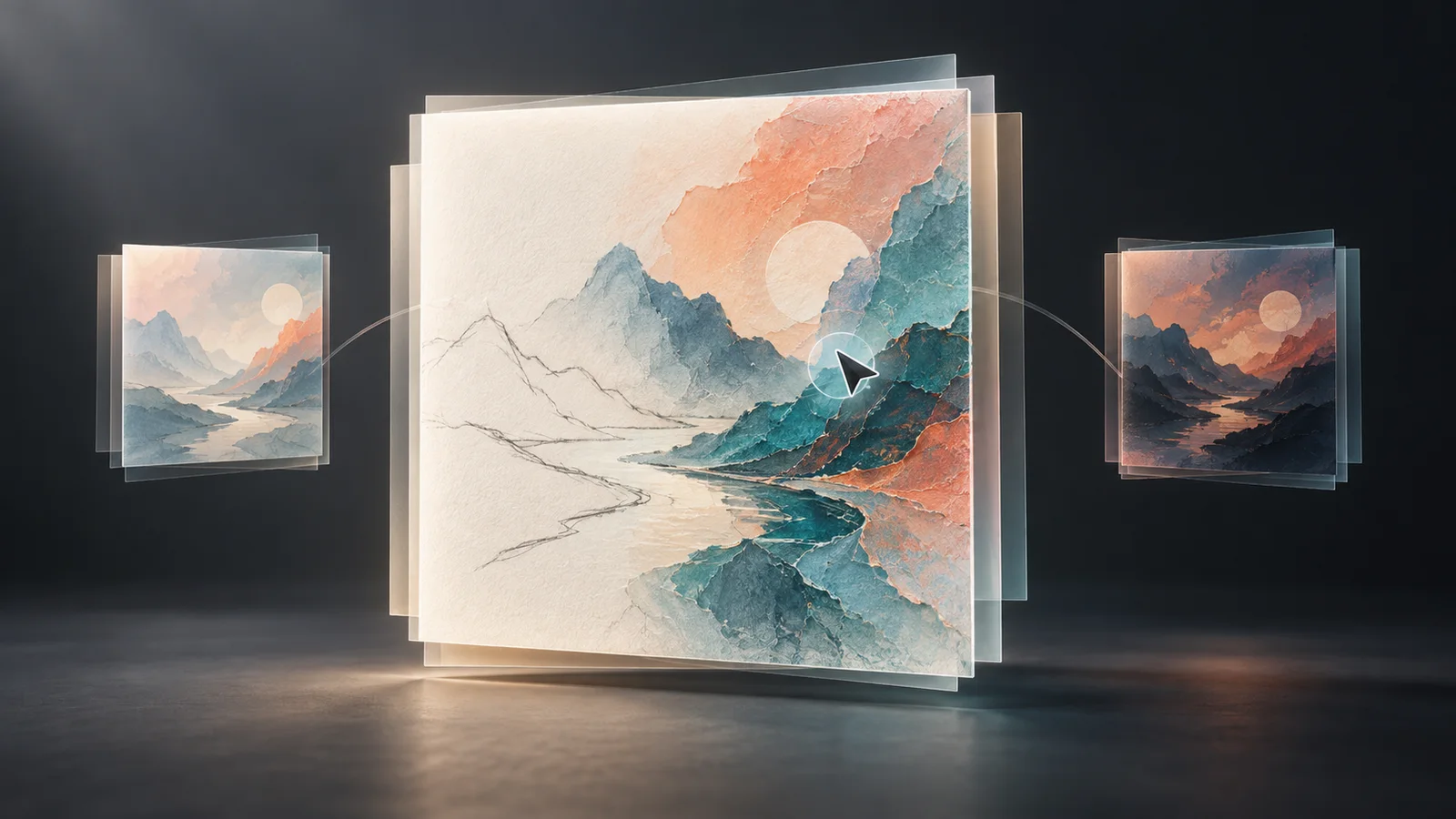
OpenAI launched ChatGPT Images 2.5 on Tuesday, with a rollout to ChatGPT, ChatGPT Work and Codex users across all tiers on desktop, mobile and web. Two developer models—GPT-Image-2.5 Flare and GPT-Image-2.5 Sunburst—are also available through the API. DataPhoenix has separately covered OpenAI’s ChatGPT desktop app for Linux preview.
In ChatGPT, Sketch lets users draw a visual reference directly in a conversation, while templates cover formats including posters and merchandise. Users can also place comments on an image to target an edit and decide whether to include their prompt when sharing an image.
OpenAI said Images 2.5 produces sharper detail, more natural lighting and richer textures. The company also said it better preserves subjects from reference photos, follows focused editing instructions more reliably over repeated edits and cuts generation latency by up to 50% compared with Images 2.0. The announcement did not provide independent benchmark results for those quality and speed claims.
For developers, OpenAI positions Flare as the default for most applications, including high-volume generation, and says it delivers higher-quality images than GPT-Image-2 at 50% lower latency. Sunburst is intended for premium workflows that require tighter control across edits and can accommodate longer generation times. OpenAI’s API pricing page lists the same standard token rates for both models: $8 per million image-input tokens, $2 per million cached image-input tokens, $30 per million image-output tokens, $5 per million text-input tokens and $1.25 per million cached text-input tokens.
OpenAI said users create more than 3 billion images each week across ChatGPT Images and GPT-Image models in the API, a figure that was not independently audited in the supplied evidence. In customer statements selected for OpenAI’s announcement, Adobe said the models were available in Firefly, while Manus said its evaluations found Flare produced high-quality images at two to four times the speed of GPT-Image-2. The announcement did not include the underlying evaluation methodology.
The company said Images 2.5 checks prompts and images to help prevent harmful outputs. It also continues to attach C2PA metadata and invisible watermarks to help identify generated images.
More news

AWS releases six open-source Hugging Face deployment skills for SageMaker

Google Research releases MilleMiglia logistics benchmark generator

AWS launches AgentCore Runtime V2 with elastic memory and snapshot starts