NVIDIA, Google and Microsoft back an 800V DC power design for denser AI racks
NVIDIA, Google and Microsoft published an 800-volt DC power architecture on August 11, 2026 aiming to raise per-rack compute power from roughly 125 kW to as much as 880 kW.
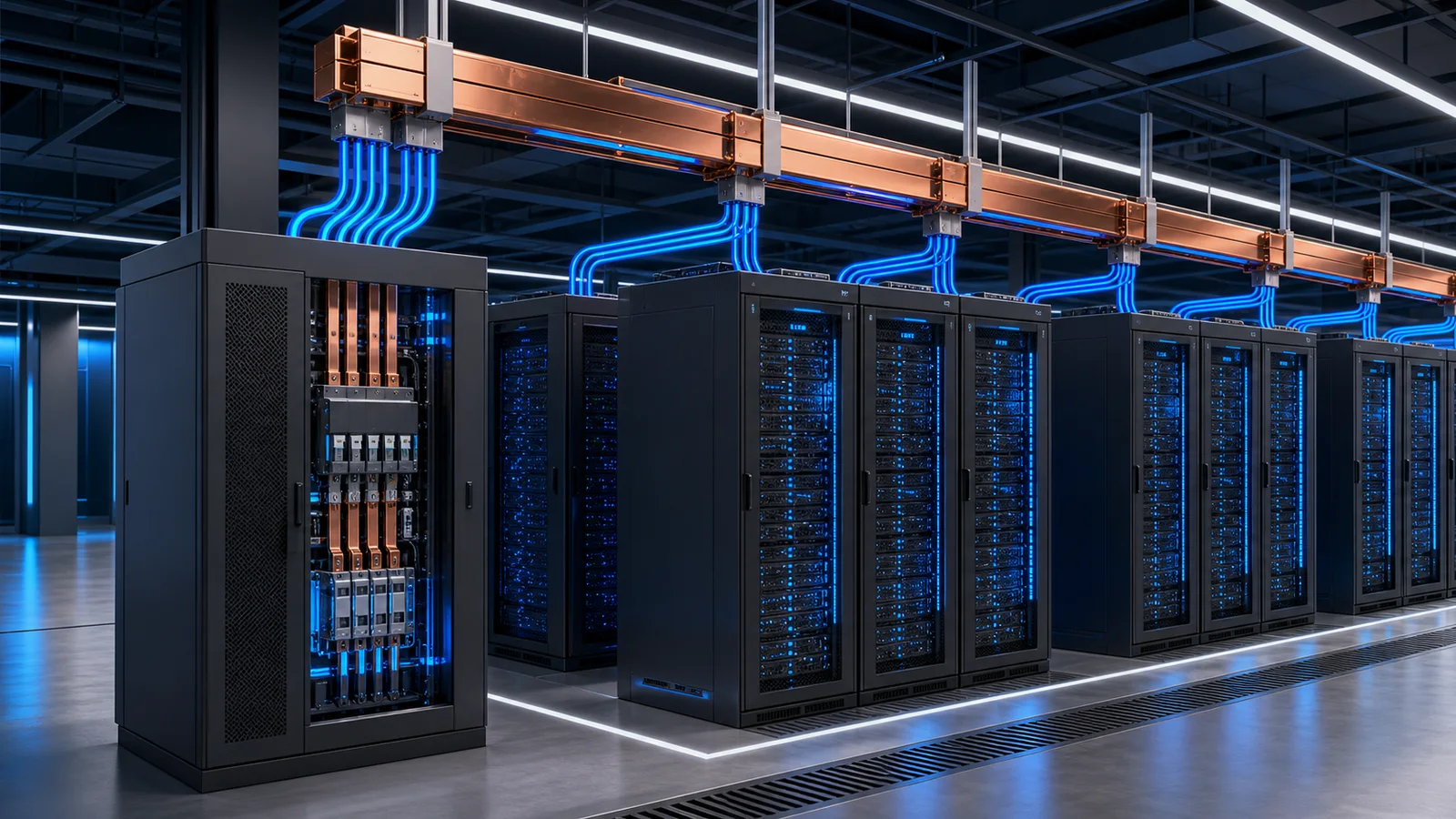
NVIDIA published an 800-volt direct-current, or DC, power architecture for AI data centers on August 11, 2026, developed jointly with Google and Microsoft through the Open Compute Project. More than 80 equipment makers and infrastructure companies are building to the specification.
The design targets a hard ceiling on today’s AI facilities: how much power a single rack can take. NVIDIA said removing power-conversion stages between the grid and the accelerator raises available compute power per rack from roughly 125 kilowatts to as much as 880 kilowatts with a future GPU platform.
NVIDIA’s MGX-compatible 800 VDC power rack arrives in the second half of 2026, and a row power center supporting up to 2 megawatts per row is slated for 2027. The Open Compute Project published its 800 VDC white paper in March 2026 and a low-voltage DC solid-state transformer specification in July 2026.
Standardizing power delivery across the three largest AI infrastructure buyers pulls the supply chain toward one design, which is the point of routing it through an industry consortium rather than a single vendor spec. Vladimir Troy, NVIDIA’s vice president of data center infrastructure, said the architecture “unlocks the compute performance and power density required for AI at scale.”
The headline 880-kilowatt figure depends on a GPU platform that does not yet ship, so it describes a roadmap target, not a deployed capability. The near-term products are the second-half-2026 rack and the 2027 row power center, and grid capacity, not rack design, is often the real constraint on where these facilities can be built.
More news
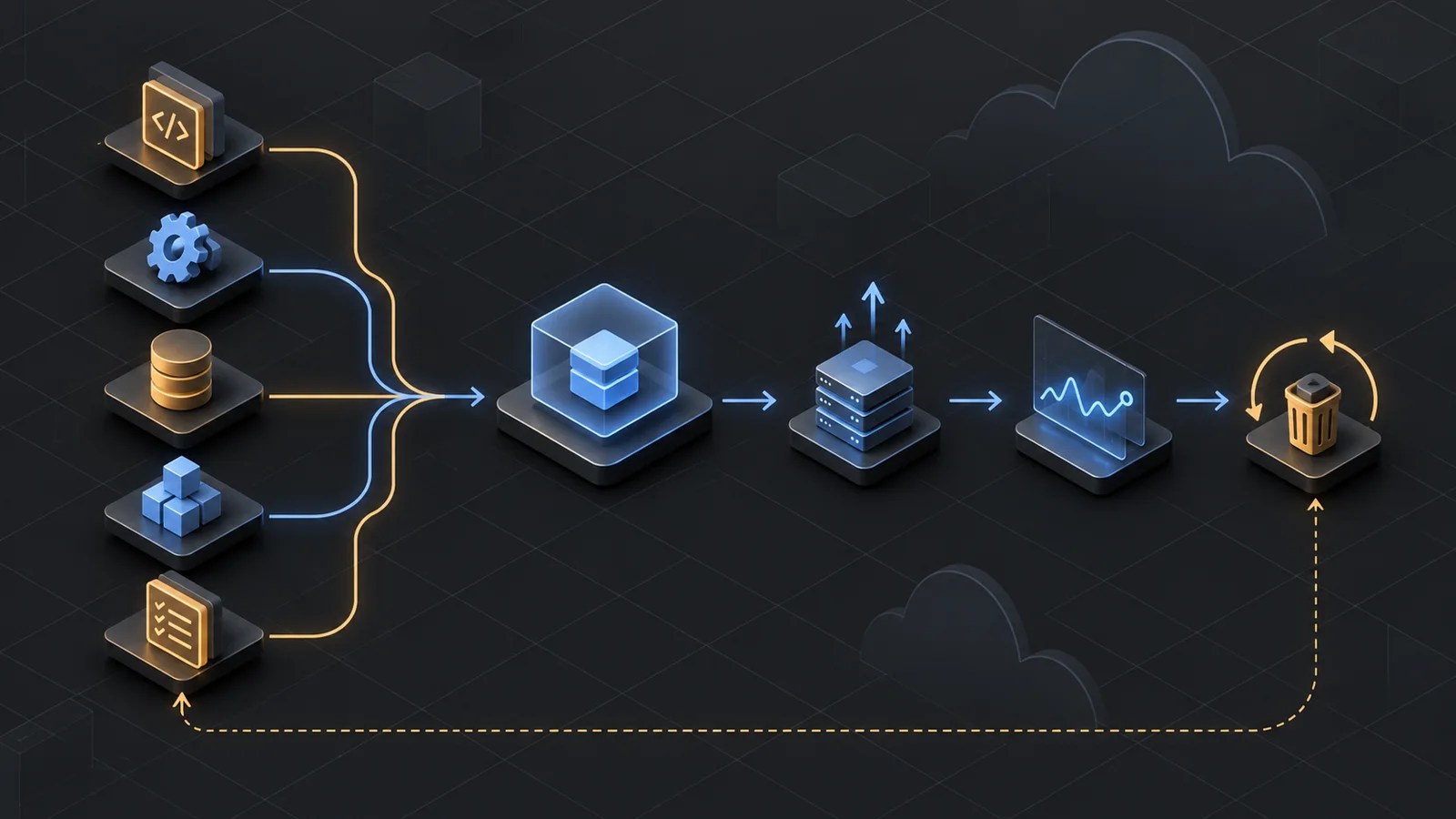
AWS releases six open-source Hugging Face deployment skills for SageMaker
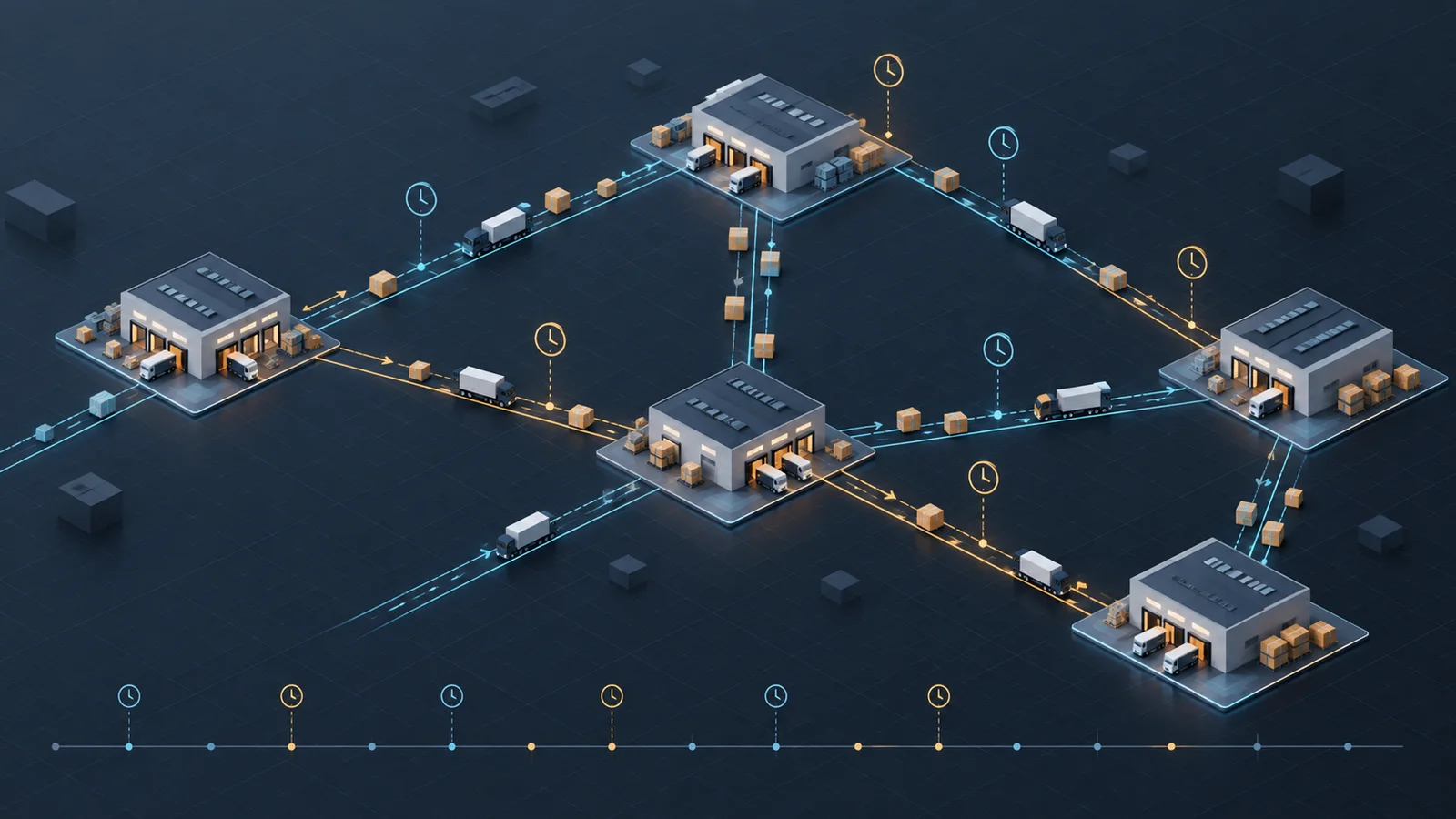
Google Research releases MilleMiglia logistics benchmark generator
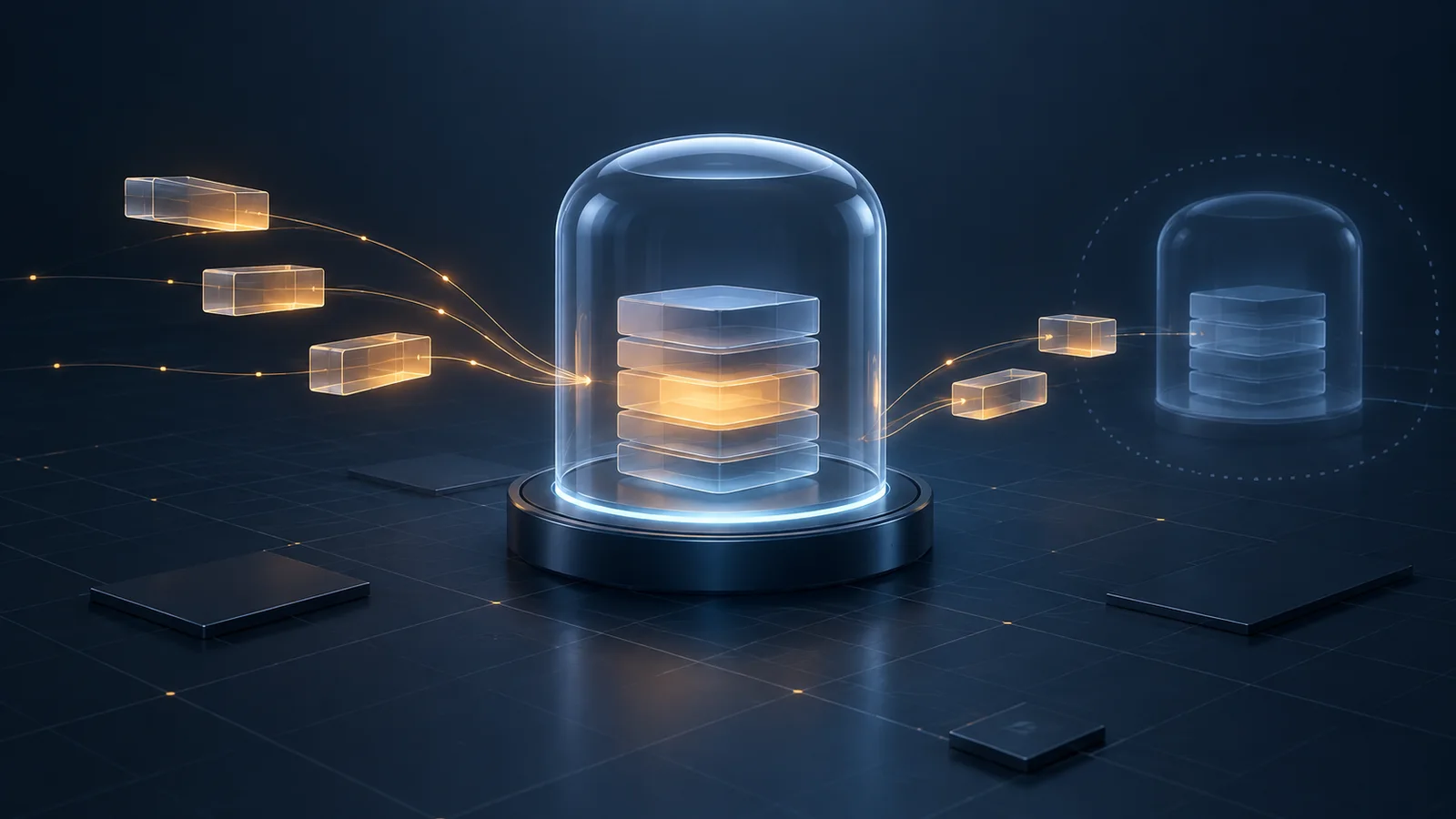
AWS launches AgentCore Runtime V2 with elastic memory and snapshot starts