Meta reportedly plans a cloud business to sell its excess AI compute
Meta is reportedly organizing a two-track cloud unit, internally called Meta Compute, to sell raw AI computing capacity and hosted access to its own models.
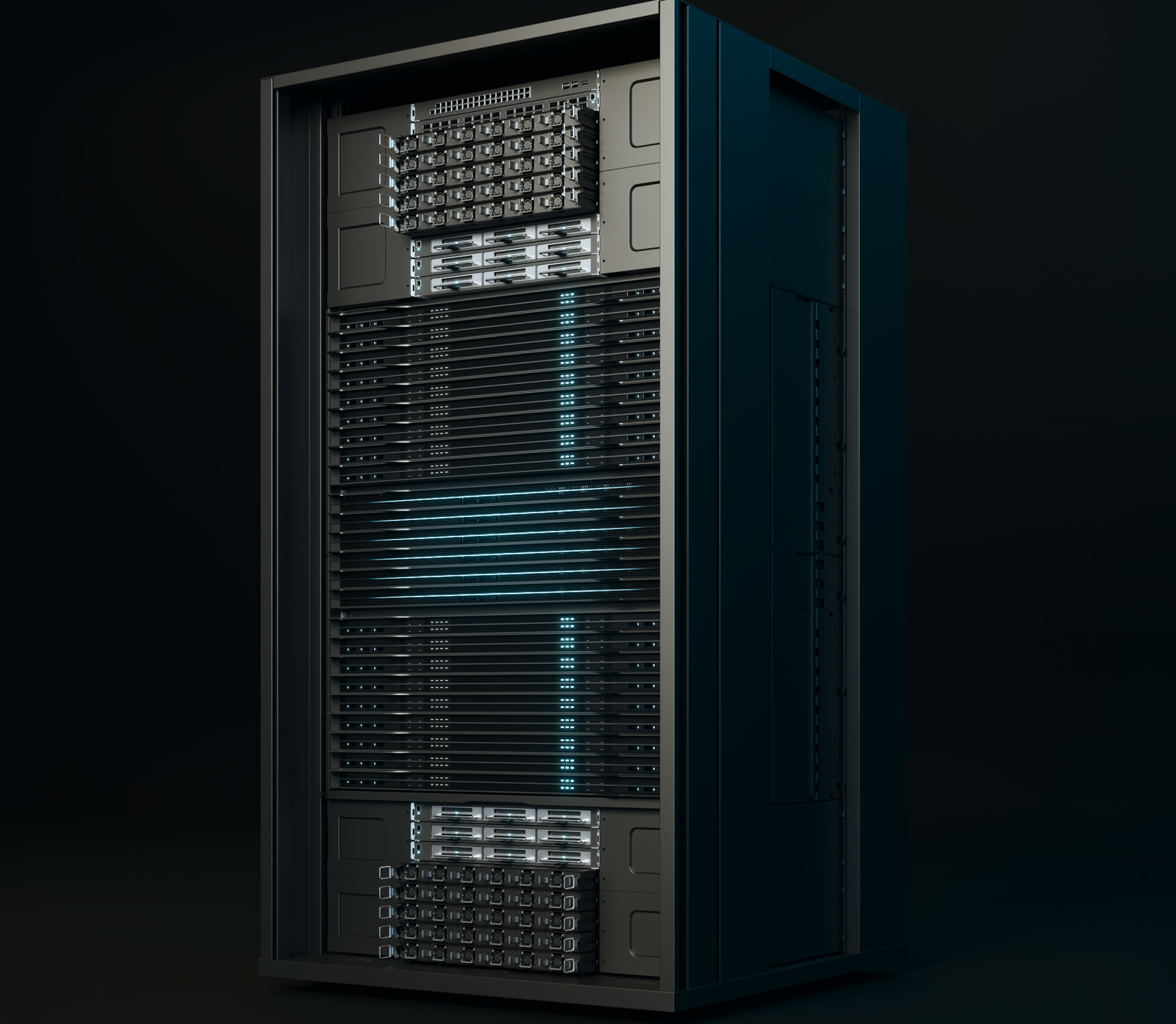
Meta is reportedly organizing a cloud business, internally called Meta Compute, to sell raw AI computing capacity and hosted access to its own AI models, according to reporting circulated on July 1, 2026. The move would make Meta the last of the four major US hyperscalers – alongside Amazon, Microsoft and Google – to enter cloud infrastructure.
The plan is said to run on two tracks: renting out bare compute, competing with neoclouds such as CoreWeave, and offering hosted access to Meta’s own models, including Muse Spark. People familiar with the matter say the unit would be led by infrastructure head Santosh Janardhan, Meta Superintelligence Labs leader Daniel Gross, and president Dina Powell McCormick. Meta has not publicly confirmed the effort.
The logic is spare capacity. CEO Mark Zuckerberg told Meta’s April 2026 first-quarter earnings call that competing with cloud providers was “definitely on the table,” and said companies approach the company “almost every week” asking to buy unused compute. As of the first quarter of 2026, Meta had committed roughly $183 billion toward AI infrastructure, including an Ohio data center Zuckerberg has said will be “the size of Manhattan.” In April it raised 2026 capital-spending guidance to between $125 billion and $145 billion.
Investors read it as a way to defray that bill. Meta shares rose roughly 8 to 10 percent on July 1, one of the stock’s sharpest single-day gains this year. Selling excess capacity mirrors a strategy Elon Musk’s xAI outlined weeks earlier, offering spare compute to outside AI labs.
The reporting rests on outlet sourcing, not a Meta announcement, and the company declined to confirm the plan. A hyperscale cloud is also a different operational commitment than reselling idle chips: it requires support, uptime guarantees and enterprise sales that Meta has never run. Whether “Meta Compute” becomes a product or stays an internal option is the open question.

Founder and Chief Editor of Data Phoenix — a San Francisco Bay Area media and education platform focused on AI and Data.
More news
AWS releases six open-source Hugging Face deployment skills for SageMaker
Google Research releases MilleMiglia logistics benchmark generator

AWS launches AgentCore Runtime V2 with elastic memory and snapshot starts