US governors’ council urges federal frontier AI rules and state protections
The bipartisan panel calls for independent model evaluations or audits and for states to protect consumers, workers and children when AI is used.
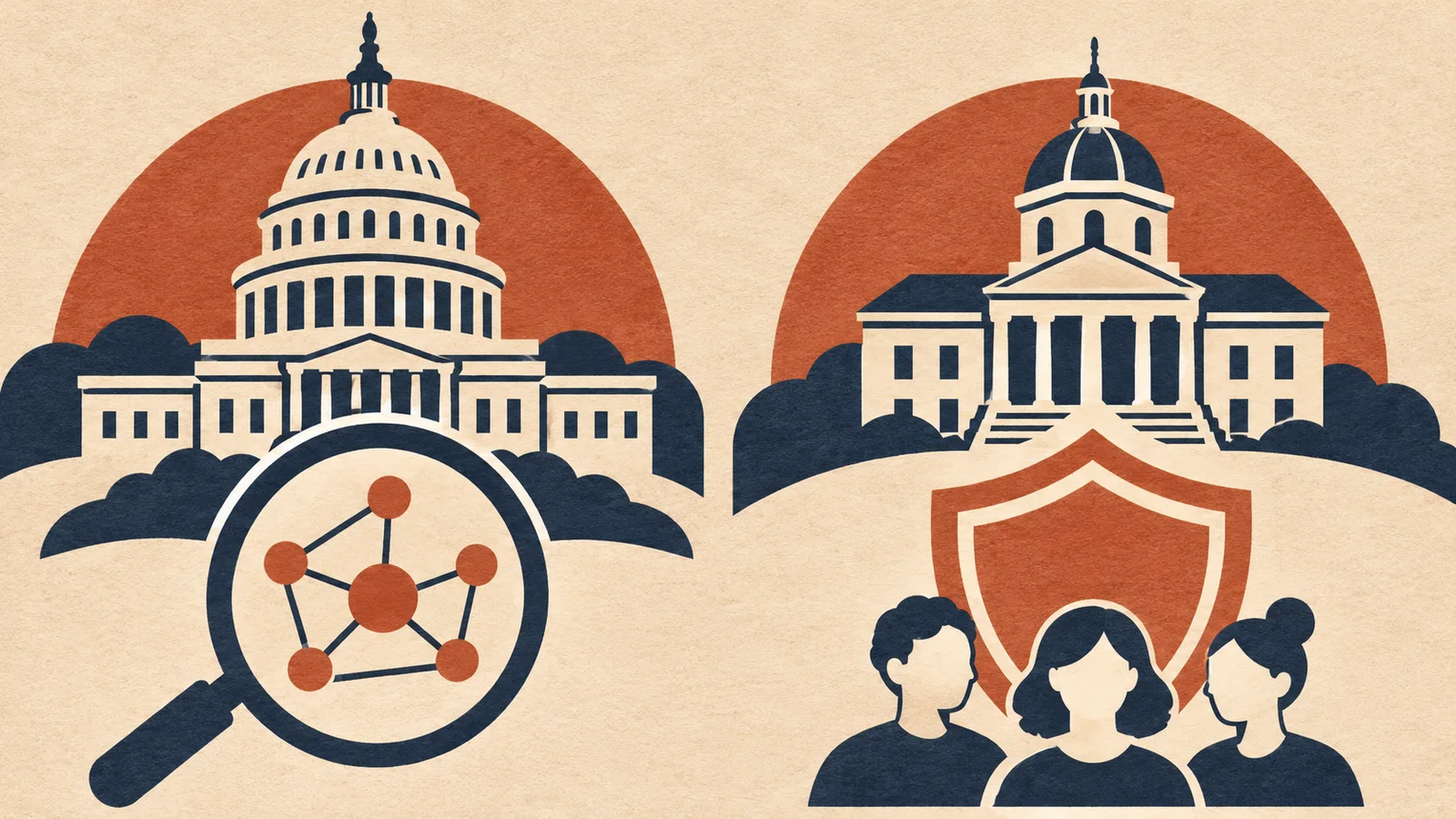
The National Governors Association released recommendations from its bipartisan governors’ council on November 22 urging Congress to set rules for the most advanced AI models. The council wants the federal government to address national and international risks during AI development. It wants states and territories to keep authority to protect people when AI is used in areas they oversee.
The council proposed federal oversight for frontier models, the most advanced AI systems designed for a wide range of tasks. The proposed standards would apply to models with national-scale reach and risks, with safeguards proportionate to those risks. Independent experts would evaluate or audit covered models, and developers would have to notify federal authorities and affected states of security breaches and significant safety incidents.
The statement sets no numerical cutoff for which models would be covered. The council called for a process to update federal definitions and standards as the technology changes. It also urged federal policymakers to use caution when considering whether to override state laws and to seek meaningful input from a representative cross-section of states.
The council called on states and territories to preserve consumer and worker protections, continue enforcing anti-discrimination laws and preserve access to legal remedies. It called for safeguards against risks to children from chatbots and companion apps. For automated decisions about housing, jobs, lending, insurance or access to essential services, it recommended human oversight, transparency and ways to challenge unfavorable decisions.
The association said it would work with governors’ offices in all states and territories to examine common definitions and standards and explore sharing technical resources and recognizing one another’s regulatory frameworks.
More news

Trump threatens tax on US companies building AI data centers abroad

States agree in Geneva to draft autonomous weapons rules

Dutch privacy regulator reports false ambulance claim in AI glasses test