An innovative method of 3D printing materials that can sense their own movement
The idea, developed by researchers at the Massachusetts Institute of Technology, is that new programmable materials can sense their own movements, because they have built-in networks of sensors with customizable properties. In this way, the materials, sensing their own movement, can interact with their environment. Engineers created these sensing structures using only one material and one run on a 3D printer. But if you use really complex materials, you can get motion, perception and structure
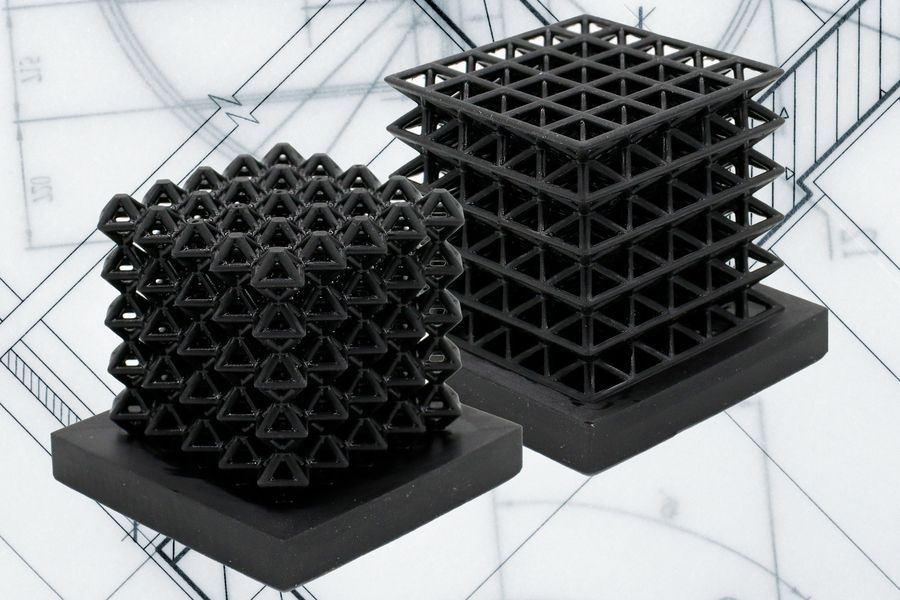
The idea, developed by researchers at the Massachusetts Institute of Technology, is that new programmable materials can sense their own movements, because they have built-in networks of sensors with customizable properties. In this way, the materials, sensing their own movement, can interact with their environment.
Engineers created these sensing structures using only one material and one run on a 3D printer. But if you use really complex materials, you can get motion, perception and structure in one.
This technique can be used to create flexible, soft robots with built-in sensors that allow robots to understand their posture and movements. It could also be used to produce wearable smart devices that provide feedback on how humans move or interact with their environment.
Previously, an artificial intelligence machine had been introduced that, using real-time computer vision, could print the right number of objects quickly and without error, even creating objects with special electrical or chemical properties.

Founder and Chief Editor of Data Phoenix — a San Francisco Bay Area media and education platform focused on AI and Data.
More news

AWS releases six open-source Hugging Face deployment skills for SageMaker

Google Research releases MilleMiglia logistics benchmark generator

AWS launches AgentCore Runtime V2 with elastic memory and snapshot starts