Perplexity turns Spaces into Projects with persistent files and memory
Perplexity said Spaces are becoming Projects, persistent workspaces in Perplexity Computer that hold shared files, project-level instructions, scheduled tasks and optional Brain memory.
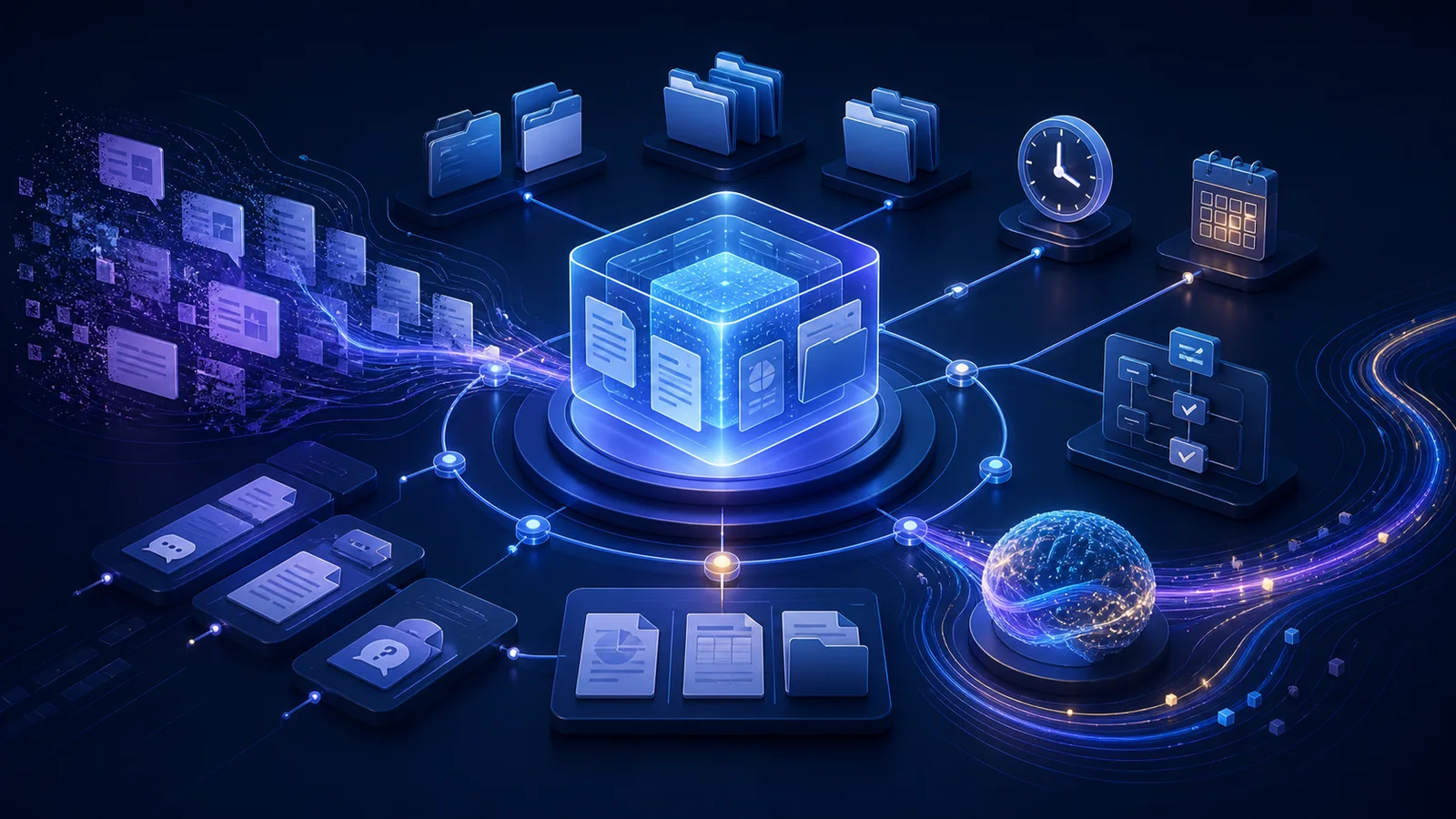
Perplexity is turning Spaces into Projects, persistent workspaces in Perplexity Computer that keep files, instructions, connected tools and earlier sessions attached to one body of work. The company set out the change on July 30, 2026 in its Projects launch post.
Existing Spaces migrate automatically and carry their work across, according to Perplexity, which says Projects are available to all Computer users. Its support documentation describes a Project as one place for Search conversations, Computer tasks, files, custom instructions, connected tools and accumulated project context.
At the center of each Project sits a persistent file store. Members can upload individual files or whole folders, import files from connected sources, or have Computer create and manage them, with access shared according to member roles. Because those files stay attached to the Project, a later query or an automated run can reach them without another upload.
Owners also control how a Project behaves. They can set instructions that apply to every query, prioritize web sources, enable connectors and skills, choose memory settings and default modes, and connect the Project to a Slack or Microsoft Teams channel, according to Perplexity’s Projects documentation. Separately, Granola has also introduced Spaces for sharing and collaboration.
Computer tasks sit alongside a Project’s files and conversations. Perplexity’s documentation says scheduled tasks run in the cloud, can use linked connectors, notify users and keep their results in task sessions.
Memory is optional, and its reach is narrower. Perplexity describes Brain as a memory system that builds working context from sessions, connected tools, files, artifacts and user corrections. It says Brain can improve context and let users resume work without recapping; those are Perplexity’s claims and have not been independently measured.
Perplexity’s documentation lists Brain as a Research Preview for Max and Enterprise Max subscribers. Projects may therefore reach Computer users who do not have access to Brain.
Sharing a Project does not pool members’ personal memory or private connector access, Perplexity said. Connector calls run on each member’s own credentials and permissions, and Project access remains subject to the organization’s controls.
More news
AWS releases six open-source Hugging Face deployment skills for SageMaker
Google Research releases MilleMiglia logistics benchmark generator
AWS launches AgentCore Runtime V2 with elastic memory and snapshot starts