OpenAI launches managed Agents API in public beta
OpenAI's Agents API puts the Codex harness and durable sessions behind a managed service while developers choose hosted or external execution.

OpenAI launched the Agents API in public beta on September 10. OpenAI says the beta is available to all developers, and that the managed, Codex-based service handles long-running sessions, orchestration, context management and recovery. Developers still supply the tools and choose where they run.
The new API adds an operated runtime layer to the agent-building components OpenAI released in March 2025. The earlier Responses API and open-source Agents SDK combined model responses with built-in tools and gave developers a framework for orchestrating single-agent and multi-agent workflows inside their applications. The difference is operational: OpenAI now runs the harness and durable-session infrastructure instead of leaving developers to manage that layer themselves. For related platform context, DataPhoenix has separately covered OpenAI’s Admin plugin for ChatGPT Work and Codex.
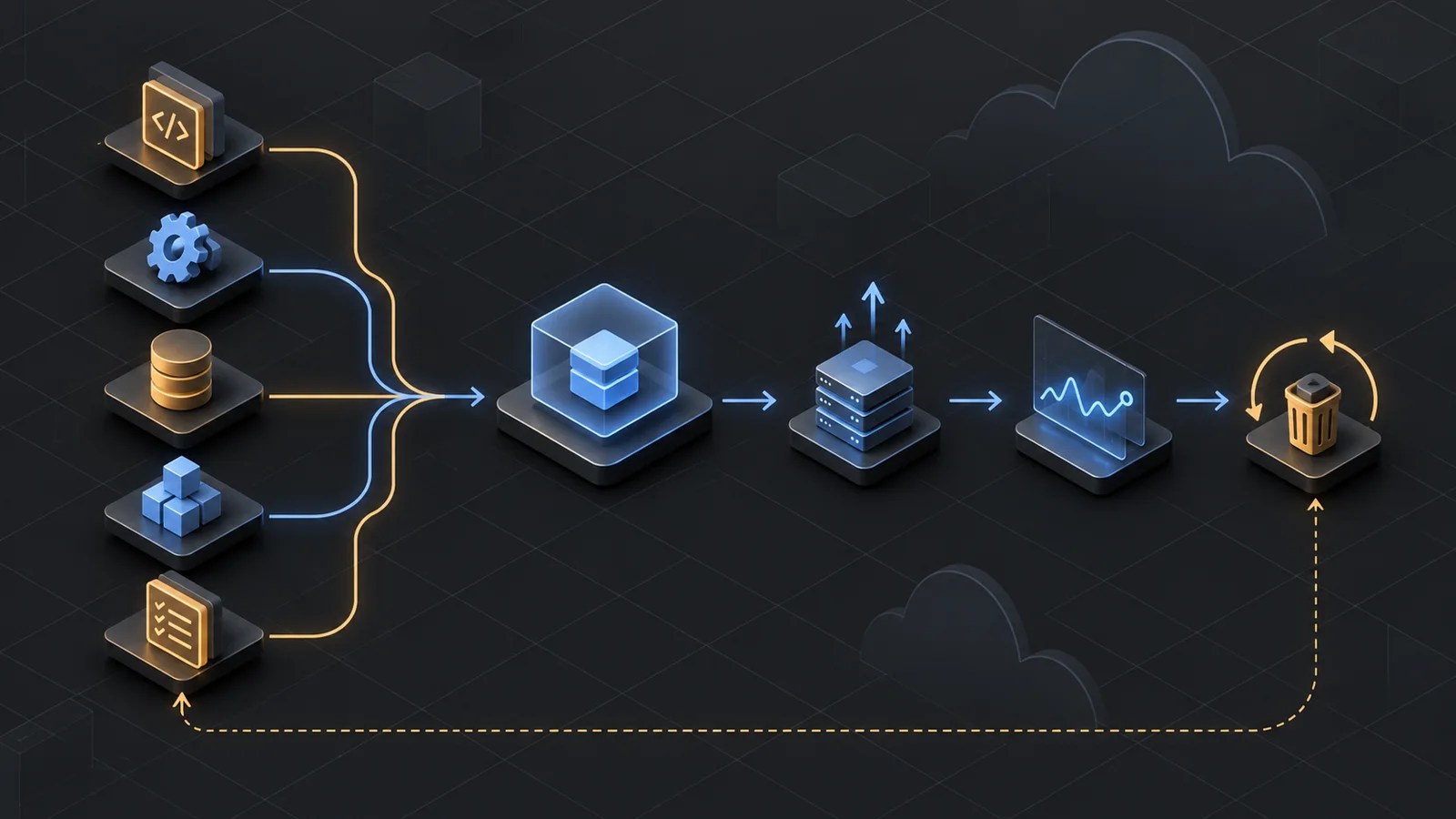
Developers can choose an OpenAI-managed sandbox, their own infrastructure or an integrated sandbox provider as the execution environment, according to the Agents API documentation. OpenAI says its hosted sandbox can run code, work with files and produce artifacts. It can also be configured with files, packages, skills and plugins.
OpenAI says the managed harness can continue and steer sessions, compact earlier work to manage the model context window, resume work and delegate subtasks to subagents. The API supports Model Context Protocol connections, custom functions and built-in tools including web search. Tool search loads definitions as needed, the company says, while programmatic tool calling can combine tool operations and run them in parallel.
There is no separate fee for the Agents API, according to OpenAI. Model and tool use remain billed at standard rates, while OpenAI-hosted sandboxes use standard container rates.
The announcement does not set a date for general availability. Its current documentation says data residency is limited to the United States and Zero Data Retention is unsupported, including when developers select a self-hosted sandbox.
More news
AWS releases six open-source Hugging Face deployment skills for SageMaker

Google Research releases MilleMiglia logistics benchmark generator

AWS launches AgentCore Runtime V2 with elastic memory and snapshot starts