Moonshot AI releases Kimi K2.7 Code, a 1-trillion-parameter open-weight coding model
The mixture-of-experts model ships with open weights under a modified MIT license and claims about 30% fewer reasoning tokens than its predecessor, on Moonshot's own benchmarks.
Moonshot AI, the Beijing lab behind the Kimi models, released Kimi K2.7 Code on June 12, an open-weight coding model it says cuts reasoning-token usage by about 30 percent versus its predecessor.
The release continues a rapid open-weight push from Chinese labs aimed at developers who want capable coding models without per-seat lock-in. Kimi K2.7 Code uses a mixture-of-experts design with 1 trillion total parameters, 32 billion active per token, 384 experts, and a 256,000-token context window. It is Moonshot's fifth major K2-series release in under a year and the first to carry "Code" in the name, marking a dedicated coding-specialist line.
The model ships under a modified MIT license that permits commercial use, requiring attribution only for large-scale commercial deployments. Weights are available on Hugging Face, and the model is served through Moonshot's API at $0.95 per million input tokens and $4.00 per million output tokens, dropping to $0.19 per million on cache hits.
Moonshot reports gains over the prior K2.6 model of 21.8 percent on its Kimi Code Bench v2, 11.0 percent on Program Bench, and 31.5 percent on a multi-language MLS Bench Lite covering Python, Rust, and Go. Those figures are Moonshot's own in-house evaluations, not third-party results, and the company published no third-party SWE-Bench Verified scores and no system card at launch — so the efficiency and quality claims are not independently verified.
Developers can reach the model through the Moonshot API, which is compatible with both OpenAI and Anthropic SDKs, a Kimi Code terminal and IDE agent, or the open weights.
A permissively licensed trillion-parameter coding model raises pressure on closed competitors, but the absence of independent benchmarks and a system card means the real test will come as outside developers run K2.7 Code against verified suites.

Founder and Chief Editor of Data Phoenix — a San Francisco Bay Area media and education platform focused on AI and Data.
More news
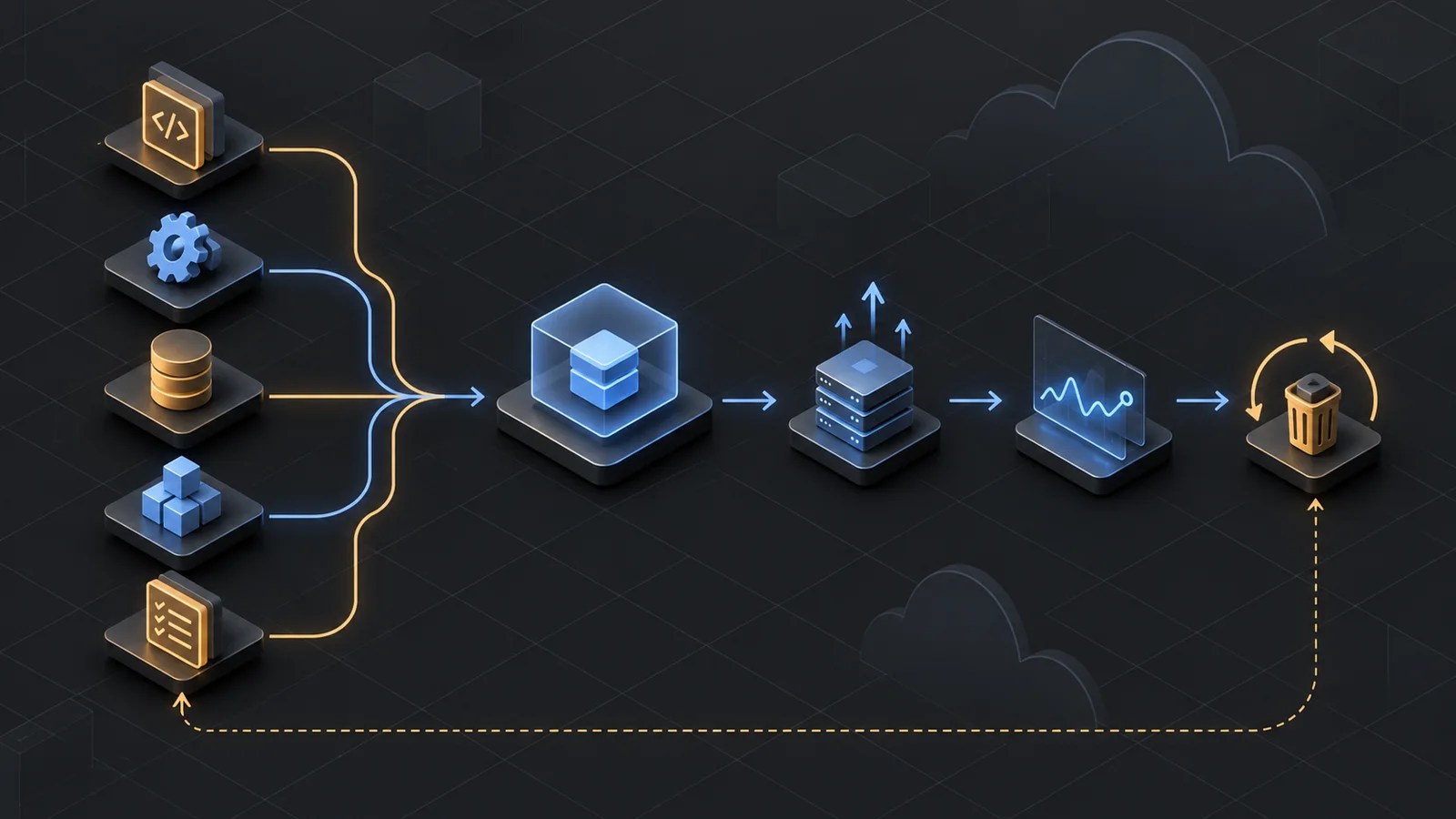
AWS releases six open-source Hugging Face deployment skills for SageMaker
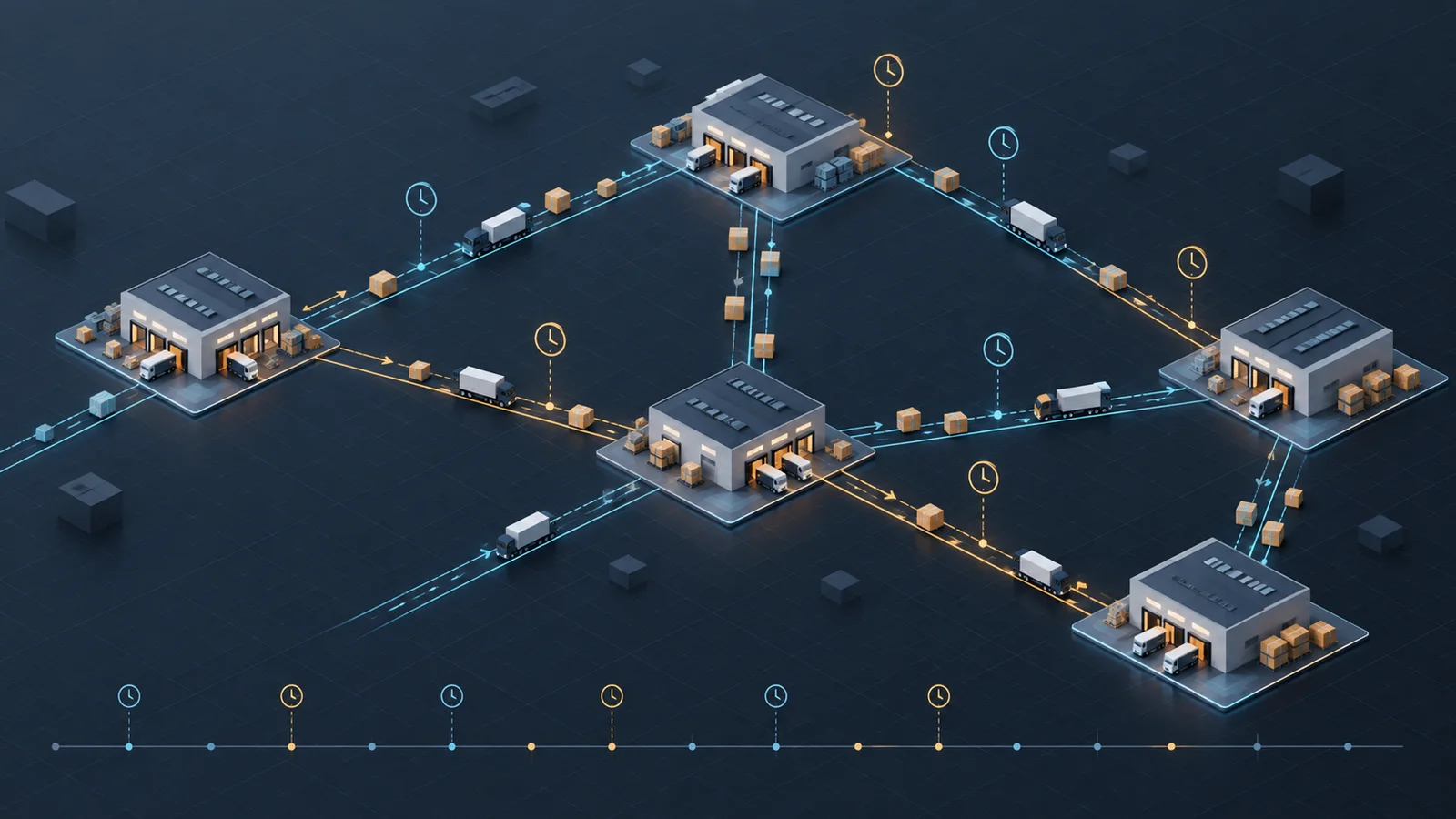
Google Research releases MilleMiglia logistics benchmark generator

AWS launches AgentCore Runtime V2 with elastic memory and snapshot starts