Anthropic Opens Life Sciences Verification Program Beta
Anthropic's beta gives vetted life-sciences teams more permissive access to Claude models through scoped grants, continuous monitoring and 30-day data retention.
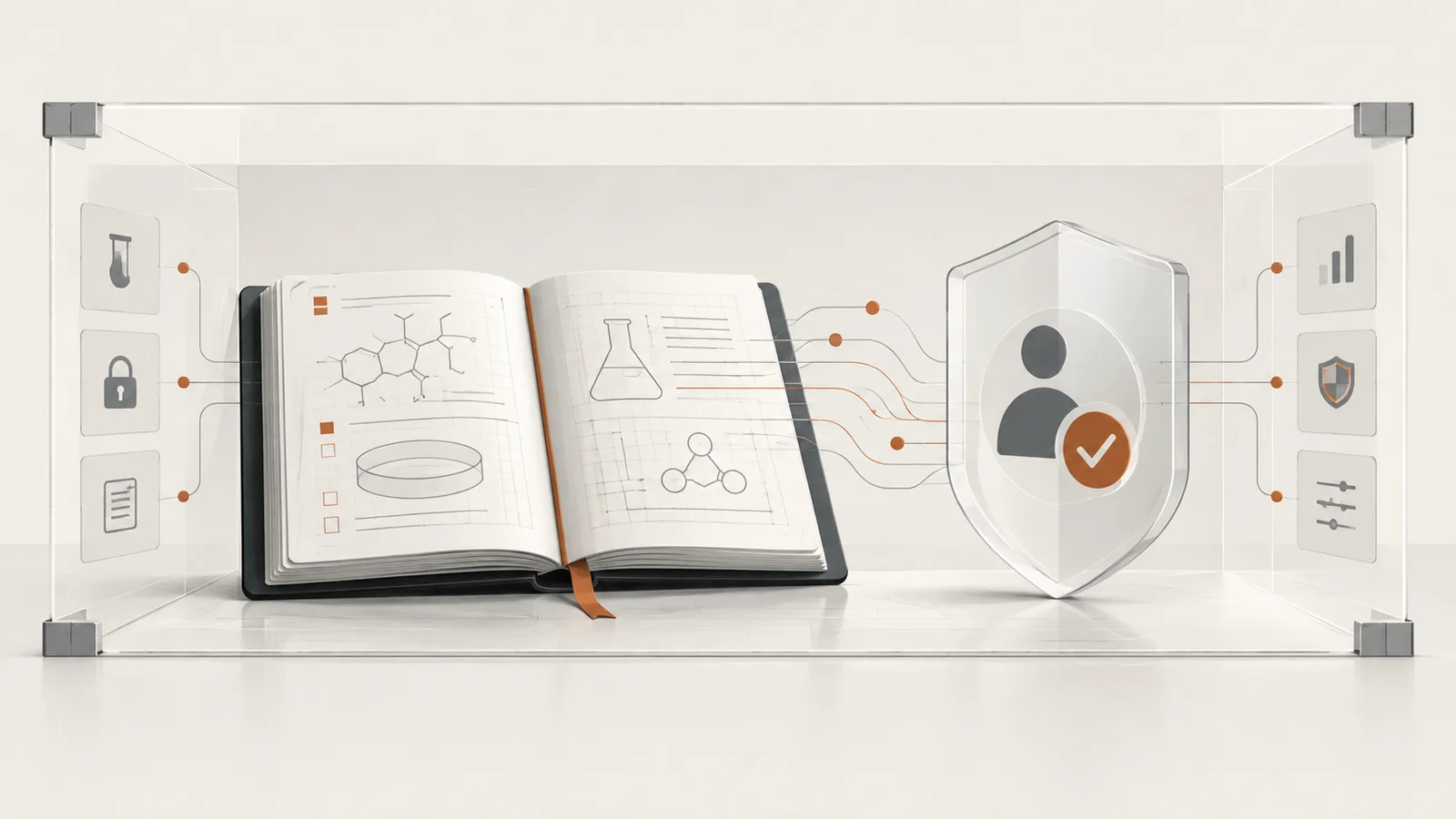
Anthropic opened its Life Sciences Verification Program beta on September 17, giving vetted teams and institutions more permissive access to Claude models for approved work. The company said applicants must pass reviews of their research credentials, security standards and ethical-research oversight before receiving access.
The program replaces some request-time biology blocks with monitoring after access is granted. Anthropic said it will use offline monitoring across requests and sessions to identify activity outside an organization’s approved scope. All program traffic must be retained for 30 days to support that monitoring, while data associated with flagged activity can be kept for review.
Access is divided into two grant types. Standard Use grants cover team-wide, day-to-day life-sciences work and renew annually. They currently provide more-permissive biology classifiers for Mythos 5.1, Opus 5 and Sonnet 5, while other controls, including cyber classifiers, remain in place.
High-risk Use is a project-specific add-on for work blocked under the standard tier. It removes safeguards that block life-sciences requests for the approved project and must be renewed every six months. High-risk access is available for Opus 5 and Sonnet 5 at launch.
Anthropic said high-risk Mythos access will remain limited to a small group receiving additional vetting while it works with the U.S. government on broader availability. The announcement did not identify the government body or define its role. The program builds on the restricted-access model Anthropic introduced with Claude Fable 5.1 and Mythos 5.1.
Each participant’s access is tied to the use cases stated in its application. Anthropic said it continuously checks program traffic for behavior outside that scope and can flag cases to an organization’s administrators. The company also said retained data is compartmentalized, cannot be used to train models and cannot be accessed by its life-sciences research teams. Anthropic did not publish an independent audit or technical documentation for those controls.
The new approach differs from safeguards used for generally available models. In August, Anthropic said Fable 5’s classifier rerouted safeguarded biology requests to Opus 5, while professional dual-use biology and drug-development requests remained blocked. DataPhoenix previously examined those earlier biology-safeguard changes, and Anthropic’s technical description of the classifier provides the official baseline.
At launch, the program is available through Anthropic’s first-party API console and Claude Enterprise and Team plans. It is not available on individual plans or third-party platforms, or to organizations operating under a Business Associate Agreement.
More news
AWS releases six open-source Hugging Face deployment skills for SageMaker
Google Research releases MilleMiglia logistics benchmark generator

AWS launches AgentCore Runtime V2 with elastic memory and snapshot starts